More Than Just a Bathtub: The Engineering Marvel of a Modern Drydock
More Than Just a Bathtub: The Engineering Marvel of a Modern Drydock
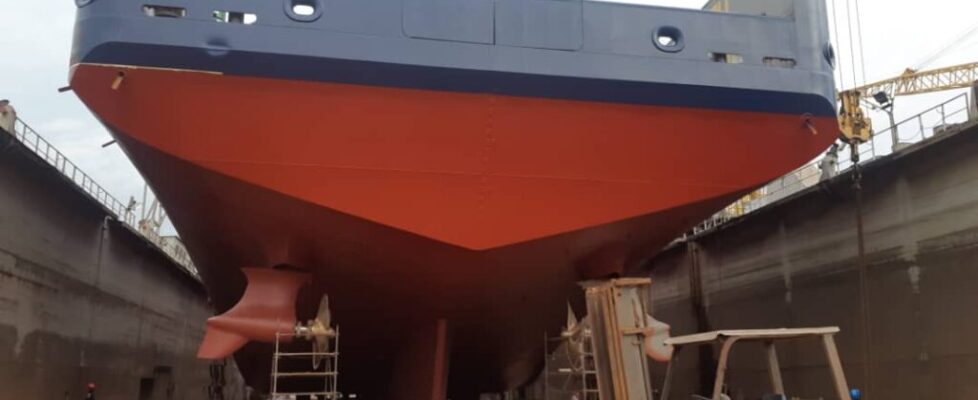
When you hear the word “drydock,” you might picture a giant bathtub for ships. While it’s true that a drydock holds water and eventually leaves a ship high and dry, the comparison ends there. Modern drydocks are feats of engineering, complex structures that allow for essential maintenance, repairs, and upgrades to vessels of all sizes. Situated here in Port Harcourt, a vital hub for maritime activity in Nigeria, the sight of a ship nestled within a drydock is a testament to human ingenuity.
At its core, a drydock is a basin that can be flooded to allow a ship to enter and then drained to provide a dry working environment below the waterline. There are two main types: graving docks and floating docks.
Graving Docks: These are permanent structures built into the shoreline. Imagine a massive concrete box with one open end facing the water.
Once a ship is maneuvered inside, a watertight gate, often called a caisson, is put in place to seal the entrance. Powerful pumps then begin the process of removing millions of gallons of water, slowly revealing the ship’s hull. The vessel rests on strategically placed keel blocks and side supports to keep it stable during the work. Graving docks are robust and long-lasting but are location-specific.
Floating Docks: These are essentially buoyant platforms that can be submerged and raised. Think of a large, hollow structure that can be lowered into the water by flooding its ballast tanks.
A ship is floated into the submerged dock, and then the water is pumped out of the ballast tanks, causing the dock to rise and lift the ship out of the water. Floating docks offer greater flexibility as they can be moved to different locations and can sometimes accommodate larger vessels than some graving docks.
Regardless of the type, the engineering behind a drydock is remarkable. Consider the immense pressure exerted by the surrounding water on a graving dock’s walls, requiring robust construction and careful design. For floating docks, the precise control of buoyancy through ballast systems is crucial for safe operation.
Inside the drydock, a flurry of activity ensues. Workers gain unprecedented access to the ship’s hull for tasks like cleaning, painting, repairing damage, and replacing components such as propellers and rudders. Inspections that are impossible while the ship is afloat can be carried out, ensuring the vessel’s safety and seaworthiness. The controlled environment of a drydock allows for efficient and thorough work, minimizing delays and ensuring quality.
The next time you see a ship in drydock, remember that it’s far more than just a giant bathtub. It’s a testament to the ingenuity of engineers who have created these impressive structures to keep the world’s fleet operational and safe. Here in Port Harcourt, these facilities play a critical role in supporting the maritime industry that is vital to the region’s economy. They are not just places for repair; they are epicenters of maritime maintenance and engineering prowess.